Rajkot :- Brain tumors, though less common than other forms of cancer, remain among the most complex medical conditions to treat. They can affect individuals of any age and may present symptoms that are often overlooked or misdiagnosed. Medical experts continue to stress that early diagnosis and timely treatment are key to improving survival rates and long-term quality of life for patients.
Recognizing early warning signs can be life-saving. Symptoms such as persistent morning headaches, unexplained nausea or vomiting, sudden onset of seizures, speech or vision disturbances, personality changes, or weakness in the limbs should never be ignored. These signs are sometimes dismissed as stress-related or minor ailments, delaying critical intervention.
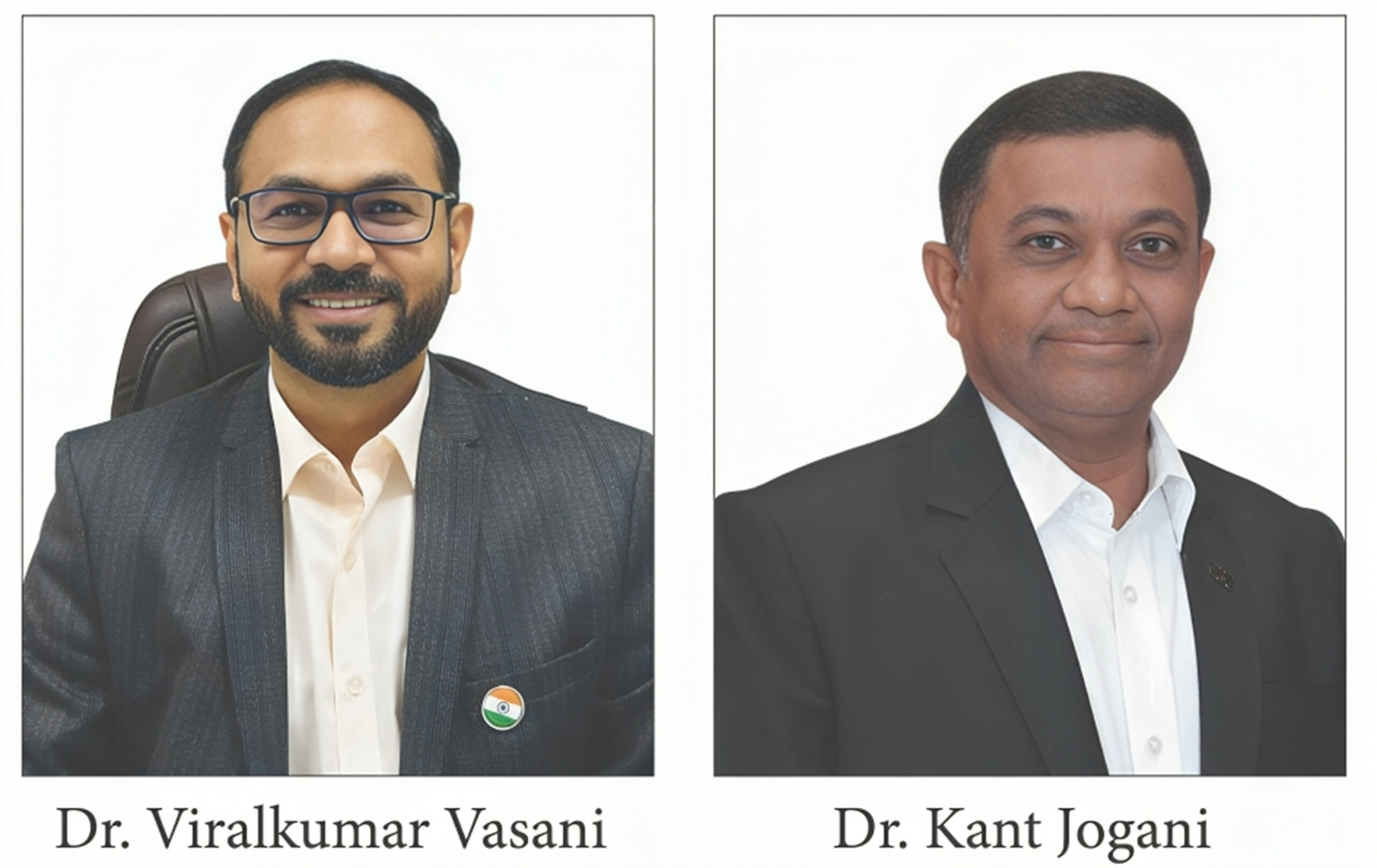
“Navigation makes the surgery far safer and less invasive. With smaller incisions, faster recovery, and minimal or no neurological deficit, this is how modern neurosurgery should be” said Dr. Viralkumar Vasani, Wockhardt Hospitals, Rajkot, Gujarat
“Brain tumor surgery today is not what it used to be a decade ago. With the help of cutting-edge technologies, we can operate with precision, reduce risks, and improve the quality of life for our patients.” Dr. Kant Jogani, Wockhardt Hospital Rajkot, Gujarat
In recent years, technological advancements have significantly transformed the way brain tumors are managed and treated. Today’s neurosurgeons are equipped with sophisticated tools that enable far greater precision and control during surgery. Surgical navigation systems provide real-time brain mapping to help surgeons avoid healthy tissue while accurately targeting the tumor. High-resolution surgical microscopes enhance the visibility of intricate brain structures, allowing for more delicate and effective procedures. Additionally, intraoperative neuro-monitoring plays a vital role in safeguarding critical nerve functions throughout the surgery, reducing the risk of complications and improving overall outcomes.
These innovations have significantly reduced the risks associated with brain surgery and enabled minimally invasive approaches, resulting in shorter hospital stays, less post-operative pain, and faster recovery.
Equally important is post-operative care and rehabilitation. With proper follow-up, many patients can return to work, exercise, and resume their everyday lives. Rehabilitation therapies, including physical, occupational, and cognitive interventions, play a critical role in helping patients regain lost function and confidence.
As access to advanced neurosurgical techniques continues to improve across India, the medical community urges people to seek timely evaluation of neurological symptoms and not delay care. Awareness, combined with early intervention and technology, is helping turn what was once a daunting diagnosis into a manageable condition with positive outcomes.